
Creating a Welcoming Atmosphere in a Traditional Village Pub
The Heart of the Village
A traditional village pub occupies a special place in British life. It is the room where christenings are toasted, where the darts team argues over the score, and where a weary walker can rest a muddy boot beside a roaring fire. Creating an atmosphere that feels genuinely welcoming is not about spending a fortune on a refurbishment. It is about understanding what makes people want to linger, then getting those fundamentals right day after day. Whether your guests are regulars who have propped up the same corner for twenty years or visitors who followed a signpost off the A-road, the feeling on walking through the door should be the same: a quiet sense of relief, as though they have arrived somewhere that was expecting them.
Lighting: Getting the Warmth Right
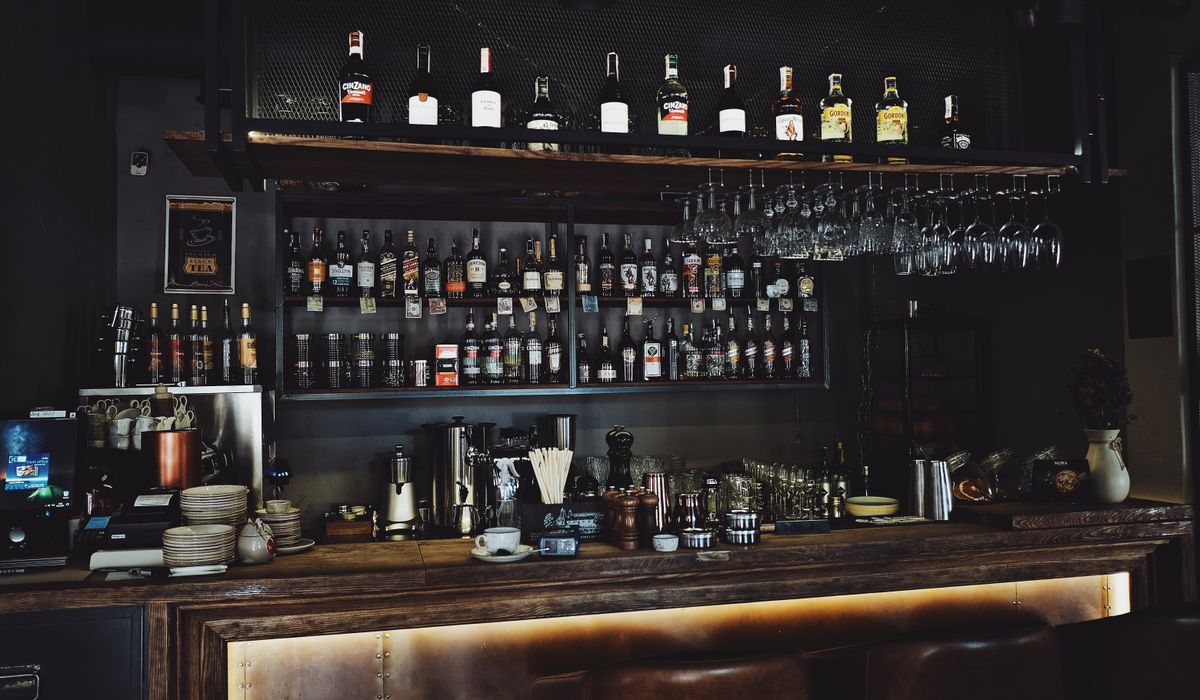
Nothing kills a pub atmosphere faster than the wrong light. A bright, clinical glow turns a snug into a waiting room. Aim instead for pools of warm light that draw people in and leave the corners gently dim. Use table lamps, wall sconces and low-hanging pendants on dimmer switches so you can adjust the mood as the afternoon shifts into evening. Candlelight on the bar and on each table is inexpensive and remarkably effective, particularly in winter.
A few practical points make a real difference:
- Choose bulbs in the 2200K to 2700K range for a warm, amber glow rather than harsh white.
- Fit dimmers wherever possible and set a lower level for the evening session than for lunchtime.
- Light the bar well enough for staff to work and customers to read a pump clip, but keep the seating areas softer.
- Use candles or lanterns outdoors so the beer garden remains inviting after dusk.
Seating That Invites People to Stay
Comfort is what turns a drink into an evening. Mix your seating so that different groups find their natural spot. A few deep armchairs by the fire suit the solo reader or the retired couple. Settles and long benches encourage conversation and are ideal for the post-walk crowd. Loose tables and chairs give flexibility for families and larger parties. Avoid the temptation to cram in too many covers; a little breathing room makes the whole room feel calmer and more generous.
Pay attention to the practicalities too. Tables should be big enough for plates, pints and elbows without a balancing act, and cushions go a long way on older wooden benches. Make sure there is at least one table suitable for a wheelchair user, with space to move around it. If you welcome dogs, keep a water bowl and a jar of biscuits near the door, and ensure the floor by the fire is not so precious that a wet Labrador feels unwelcome.
The Welcome: Service That Sets the Tone
Friendly service is the single most important ingredient, and it costs nothing. A landlord or landlady who looks up, smiles and says hello within a few seconds of someone crossing the threshold sets the tone for the whole visit. Train staff to greet everyone, not just the faces they recognise. Regulars should feel known; newcomers should feel included rather than tolerated.
Small habits build a reputation:
- Learn names and usual orders where you can, but never make a visitor feel like an outsider for not having one.
- Offer a genuine recommendation when asked, and know your cask ales, lagers and soft drinks.
- Keep the bar clear of clutter and the pumps clean and well presented.
- Say goodbye as warmly as you say hello; it is the last impression that brings people back.
Local Dining and a Sense of Place
Food is where a village pub can really stake its claim. A menu built around local produce tells a story about the surrounding area and gives visitors a reason to choose you over a chain restaurant. Look to nearby farms, butchers, bakeries and fishing ports. Seasonality matters: game in autumn, asparagus in late spring, root vegetables through the winter.
A traditional core menu, done properly, will always outperform a long list of dishes executed adequately. Think of the classics guests expect from a British pub:
- A proper Sunday roast with well-rested meat, crisp roast potatoes and real gravy.
- Hand-raised pies with suet or shortcrust pastry and a jug of gravy on the side.
- Fish and chips with a light, crisp batter and homemade tartare.
- At least one excellent vegetarian main that is not an afterthought.
- A short, changing specials board reflecting what the kitchen bought that week.
Allergen information should be clear, and staff should answer questions confidently. Portion sizes should suit the room: hearty enough for a hungry walker, but not so vast that nothing is finished.
The Details That Keep People Coming Back
Atmosphere is cumulative. It is the smell of a real log fire and the sound of low conversation rather than a blaring television. It is background music kept quiet enough to talk over, chosen to suit the hour. It is clean glasses, clean loos and a well-kept cellar. It is a chalkboard mentioning the local cricket match, a jar of pickled eggs on the bar, and a landlord who remembers your dog's name before your own.
Keep a simple routine of checks: walk the room, taste the beer, read the reviews, and ask regulars what they would change. A village pub that listens will keep both the people who live down the lane and the visitors who found it by chance. Get the warmth right, and you will not need to convince anyone that this is the heart of the community; they will feel it the moment they step inside.

4 Comments